Buying a house vs an apartment in Valencia: what international buyers need to know
Introduction
Many international buyers arriving in Valencia expect a balanced housing market with a mix of flats, townhouses and detached homes. The reality is very different. Valencia, like most major Spanish cities, is built vertically, and within the city limits apartments dominate almost entirely. Single-family homes represent only a tiny proportion of available listings, and understanding this distinction is essential for anyone planning to buy property in Valencia. For expat families or investors comparing apartment and villa markets, setting expectations early is key.
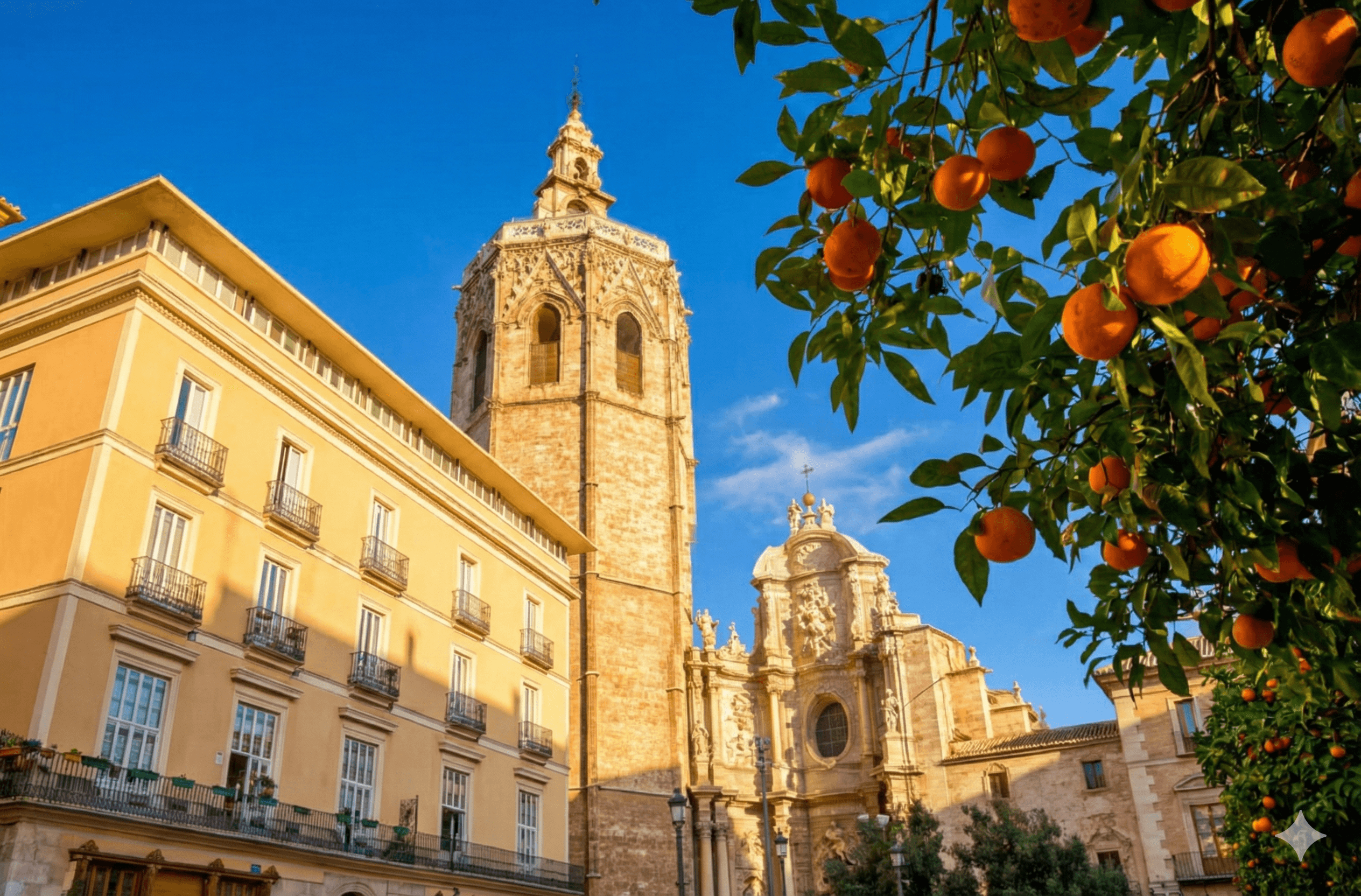
Valencia city: why apartments dominate the housing stock
The urban structure of Valencia has been shaped by compact Mediterranean planning, producing dense neighbourhoods and multi-storey residential blocks. Apartments make up around 90 to 95 per cent of available properties for sale within Valencia city, a figure that dramatically exceeds most buyers’ expectations. Detached houses represent well under five per cent of the market. When they do appear, they are usually older buildings in areas such as El Cabanyal, Benimaclet or parts of Campanar, often carrying heritage value but requiring upgrades.
In practical terms, buyers seeking privacy, gardens or standalone living will find that these features are almost absent in the city itself. Even luxury villas are extremely rare, typically limited to one-off properties rather than a consistent market segment. As a result, buyers wanting more space often turn to áticos with terraces or ground-floor apartments with patios, which offer larger living areas but remain part of multi-unit buildings.
Where houses actually are: the metropolitan ring of Valencia
The picture changes completely when you leave the administrative boundary of Valencia. The broader metropolitan region, known as L’Horta, contains the majority of townhouses, terraced homes and detached villas. Here, the market shifts towards properties with gardens, private pools and significantly larger internal space, forming a natural alternative for families or buyers looking for a suburban lifestyle.
Terraced homes (adosados) are common in close-in municipalities such as Torrent, Paterna and Alboraya, where developments often include communal pools and family-friendly layouts. Further out, fully detached villas (chalets) dominate towns like L’Eliana, Bétera, Rocafort and Godella. These areas are well connected to Valencia via metro or established road links, making them ideal for buyers who want more space without giving up a manageable commute.
This suburban belt has become especially popular among international families who prioritise larger plots, quiet residential streets and access to international schools, none of which exist in meaningful quantities within the city.
Availability, pricing and purchase dynamics across the region
Availability remains one of the clearest dividing lines between the city and its suburbs. In Valencia capital, nine out of ten listings are apartments, leaving houses as an exception rather than a choice. This scarcity reflects both the city’s urban density and the high demand from students, young professionals and investors seeking strong rental performance.
The metropolitan towns present a more balanced housing mix, with villas and townhouses forming a significant share of the market. This is why many foreign families who begin their search in the city eventually shift their attention outward once they compare value for money, space and lifestyle differences.
Pricing also follows a distinct pattern. The price per square metre is generally higher in the city centre than in suburban towns, especially in sought-after neighbourhoods. However, the total purchase price of a suburban house is usually higher because of larger floor areas and land value. A renovated 90 m² apartment in Ruzafa may have a similar €/m² cost to a 200 m² villa in L’Eliana, but the villa’s total price will naturally exceed it.
Sales velocity differs too. City apartments sell quickly, driven by liquidity and rental demand. Houses in the suburbs involve longer decision-making cycles because buyers compare schools, build quality, plot sizes and commutes. This slower pace does not indicate weaker demand, but rather a different buyer profile and a more complex purchase decision.
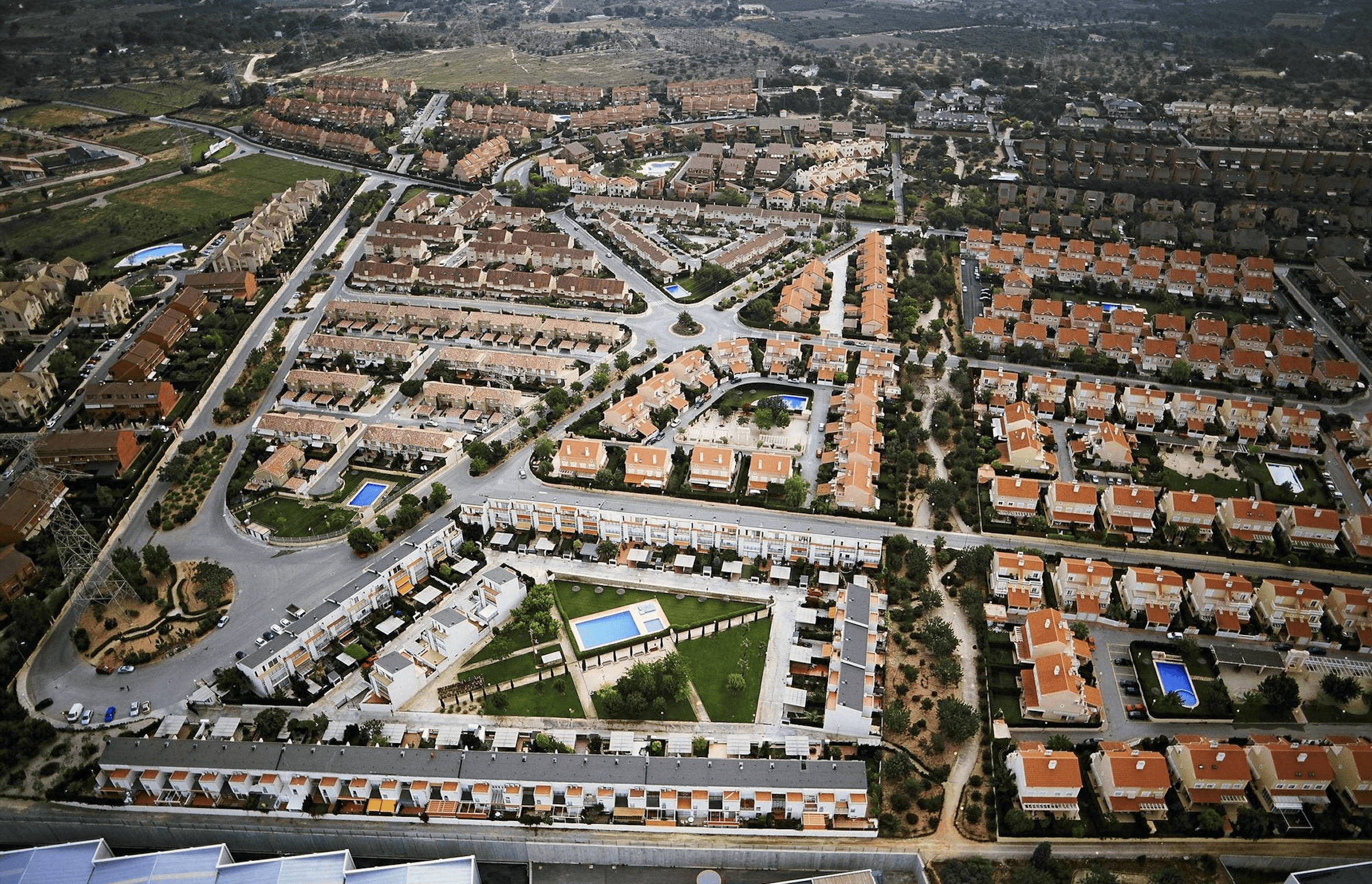
What type of buyer each area suits
Buyers who must live within Valencia city should expect to choose almost exclusively from apartments. Anyone wanting more space will need to explore penthouses with terraces or ground-floor units with private patios, which remain the closest alternatives to standalone living without leaving the city. These can be excellent options for those who prioritise urban convenience and lifestyle over outdoor space.
Buyers looking for a private garden, a pool or greater interior volume will almost always need to search outside the city limits. The suburban municipalities offer a broader selection of houses and provide the lifestyle features that do not exist inside the capital. Commutes of 20 to 30 minutes are typical, and many areas benefit from metro stations, strong transport links and established amenities. For expat families, these towns often offer the most practical and comfortable solution.
Conclusion
Valencia’s housing landscape is defined by a clear contrast between a dense, apartment-dominated city and a spacious, villa-oriented suburban ring. Understanding this structural difference helps buyers set realistic expectations from the outset. Apartments remain the core of the urban market, offering strong liquidity and rental performance, while single-family homes are concentrated almost entirely in the wider metropolitan area. For lifestyle buyers, families or investors looking for long-term value, choosing the right location within this structure is essential for making a confident and well-informed decision.