
Valencia City Districts
Valencia’s coastline is often the starting point for international buyers. The logic is straightforward. Beach access, a more relaxed pace than Barcelona, and property prices that, until recently, felt accessible. That picture has recently changed.
Over the past few years, sustained demand and limited supply have pushed prices upwards across the coastal strip. At the same time, the way this market needs to be understood has shifted. Many buyers still compare neighbourhoods as if they were uniform. In reality, the differences that matter most are far more local.
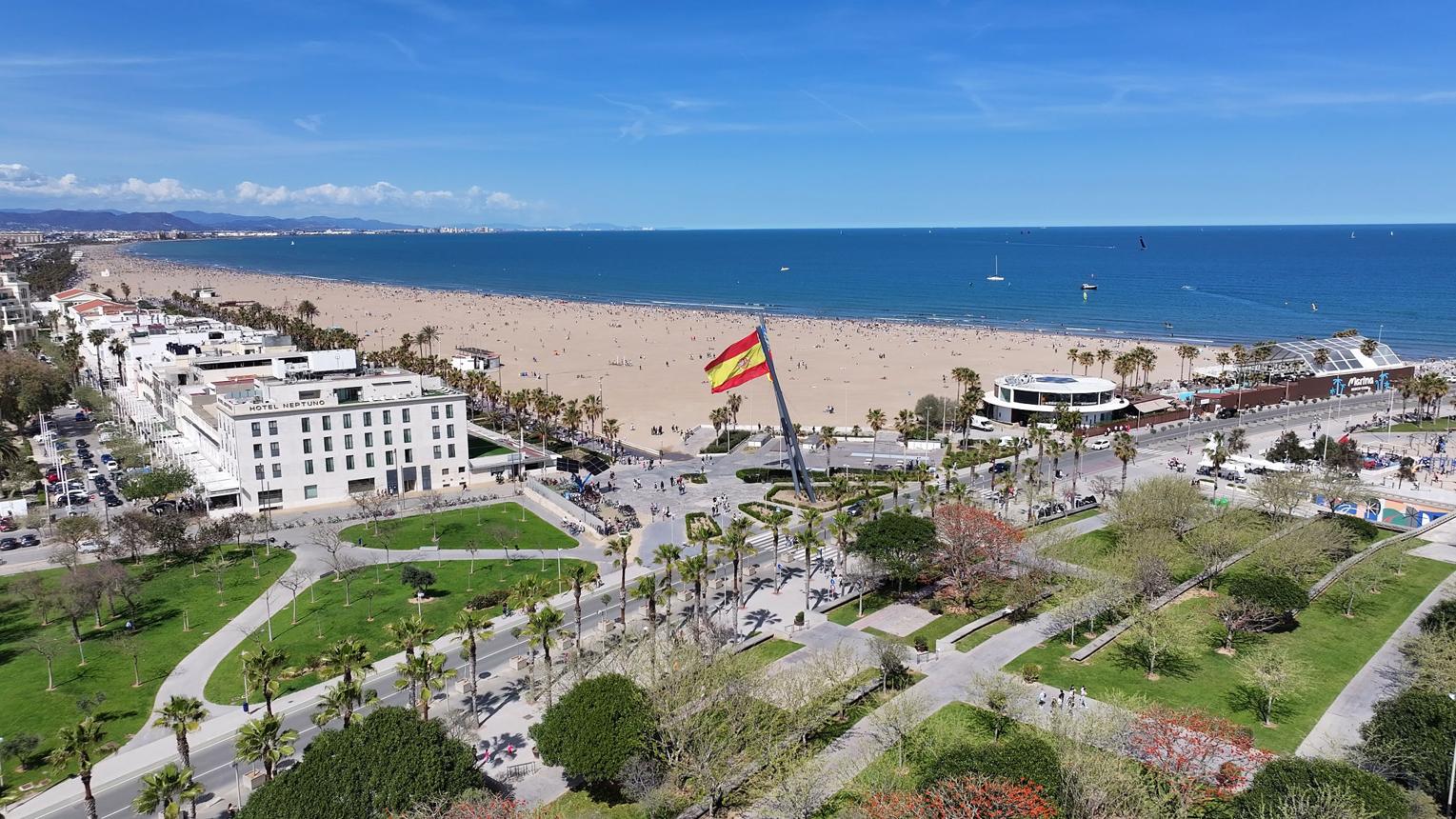
Patacona, Malvarrosa, El Cabanyal, El Grau and Nazaret sit along the same stretch of coastline. On a map, they appear continuous. In practice, they behave as distinct micro-markets, each with different pricing, demand and risk profiles.
The key shift is this: neighbourhood-level analysis is no longer enough. The difference between two streets can matter more than the difference between two districts.
1. Coastal price snapshot: what the data actually shows
Before exploring each area, it helps to anchor expectations in real data. The figures below are based on March 2026 asking prices from Idealista.
Area | Idealista price €/m² (Mar 2026) | YoY change |
Poblats Marítims (avg.) | €3,222/m² | +18.2% |
*Patacona (Alboraya) | €5,015/m² | +17.8% |
Malvarrosa | €3,060/m² | +9.1% |
El Cabanyal–Canyamelar | €3,433/m² | +15.7% |
El Grau | €3,247/m² | +14.2% |
Nazaret | €2,162/m² | +14.8% |
At first glance, this suggests a structured market. In reality, it hides important differences.
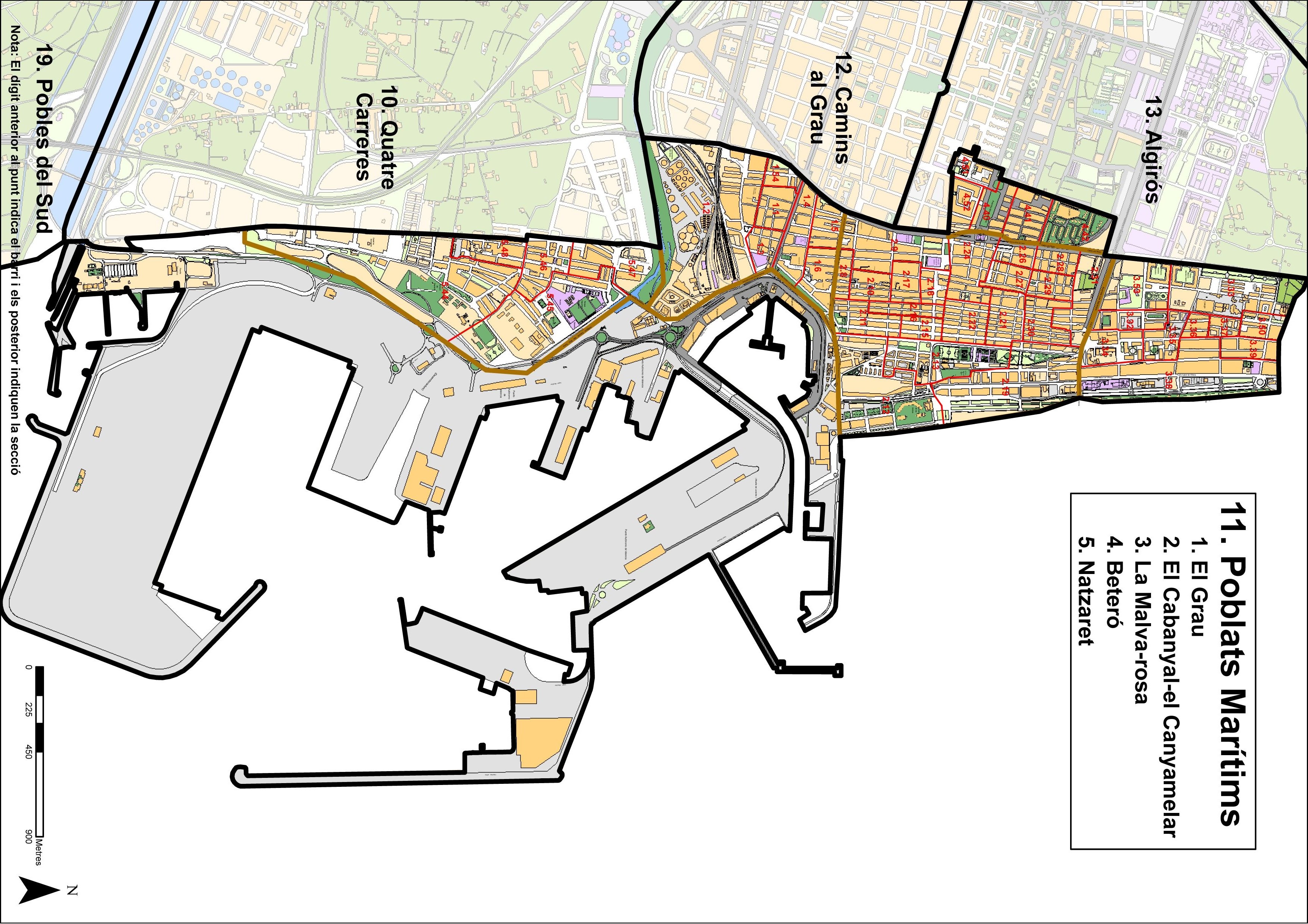
Poblats Marítims groups together Malvarrosa, Beteró, Cabanyal, El Grau and Nazaret. These areas function very differently, yet are represented by a single average. At the same time, even within one neighbourhood, pricing is not consistent.
In areas like Cabanyal or Nazaret, the difference between two streets can easily exceed €500–€1,000 per square metre.
This is where most buyers misread the market. The data is correct, but it does not explain how properties actually perform.
It is also important to note that Idealista reflects asking prices rather than final transaction values. Negotiated prices depend heavily on the building, the condition and, above all, the exact location.
2. From north to south: how the coastline actually works
Understanding the coastline geographically helps clarify how these areas relate to each other. Valencia’s coastline is best understood as a sequence rather than a single area. From north to south, each district transitions into the next, but the change is not gradual. It is defined by clear shifts in pricing, housing stock and buyer profile.
At the northern end, Patacona sets the benchmark for comfort and predictability. It offers modern buildings, larger layouts and a residential environment that feels immediately accessible for international buyers. This clarity comes at a premium, placing it in a different price bracket from the rest of the coastline.
Moving into Malvarrosa, the market becomes more traditional. Buildings are older, demand is stable, and the area functions as a reliable rental location. The variation here is less about transformation and more about positioning within the neighbourhood, particularly in relation to the beachfront.
El Cabanyal introduces a different dynamic. Its character and visible regeneration attract attention, but the area is highly fragmented, with strong differences between streets. This is where micro-location becomes critical, as pricing and performance vary significantly within short distances.
Further south, El Grau connects the coastline to the marina and the City of Arts and Sciences. Its location is strong, but its identity is less defined, creating a mixed market where some streets benefit from growing demand while others remain more stable and local.
Nazaret marks a shift towards infrastructure-led change. Lower entry prices and improving connectivity make it attractive for long-term positioning, but the transformation is uneven and still in progress, requiring a more patient approach.
Finally, Moreres sits just behind this southern stretch as a planned extension of the city. It offers modern, new-build housing and a clear urban layout, but the surrounding environment is still developing, with services and neighbourhood life catching up to construction.
Across this entire stretch, one principle remains consistent. Despite their proximity, these areas do not function as a single market. Each operates differently, and within each, the specific street often matters more than the district itself.
3. Patacona: clarity, comfort, and a pricing ceiling
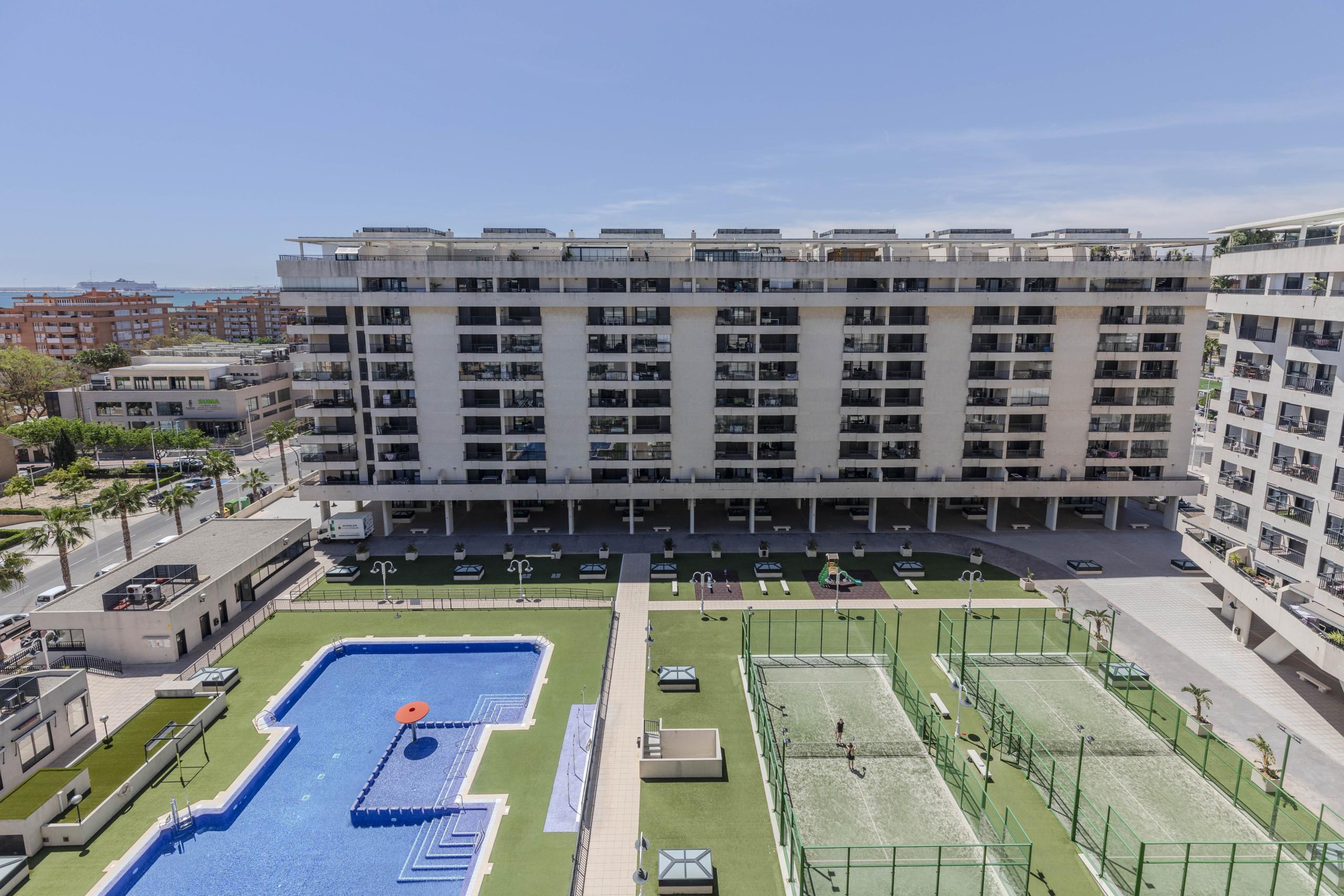
Patacona, located in Alboraya, sits at the northern edge and clearly operates in its own price bracket. With asking prices around €5,000 per square metre, it is no longer directly comparable to neighbouring districts.
The reason is straightforward. The area offers newer buildings, more practical layouts, underground parking and shared amenities. For many international buyers, this removes a large part of the uncertainty that comes with older housing stock.
The tenant profile reflects this. Demand comes mainly from professionals, families and remote workers looking for comfort and proximity to the beach, rather than character or short-term upside.
For buyers, Patacona is about stability and ease. The trade-off is that most of the value is already priced in.
4. Malvarrosa: reliable demand, but not uniform
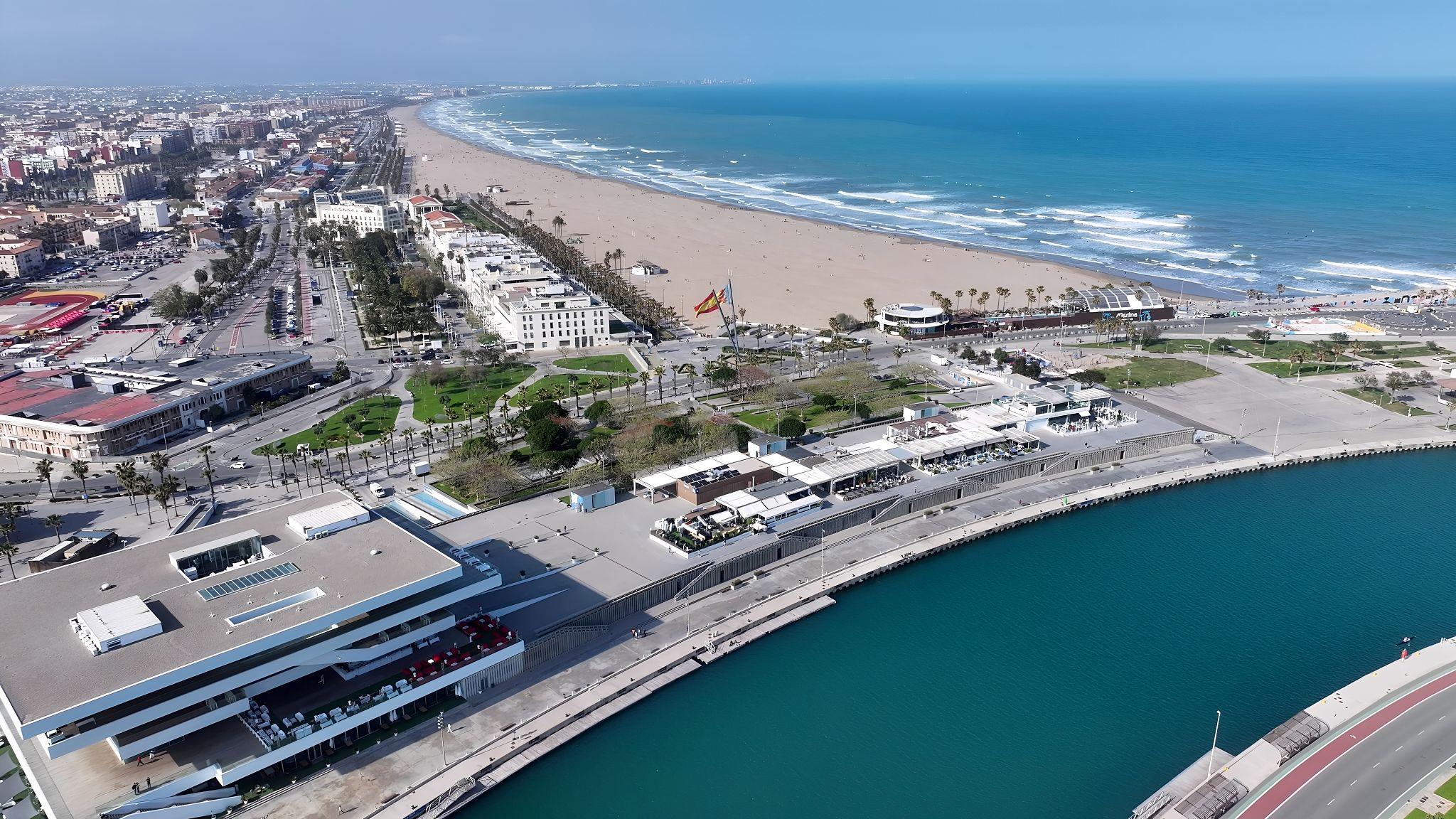
Moving south, Malvarrosa marks the transition into Valencia city. It is one of the most stable coastal areas in terms of demand. The combination of beach access and proximity to the university creates a steady flow of tenants, which supports consistent rental performance.
However, the housing stock is older, and this introduces variation that is not always obvious from listings. Buildings differ significantly in quality, and layouts can feel dated. The distinction between frontline properties and those further inland also has a direct impact on pricing and demand.
Malvarrosa works well for buyers looking for predictable rental income, but it still requires careful selection at street level.
5. El Cabanyal: opportunity with constraints
El Cabanyal is often the entry point for buyers discovering Valencia. Its architecture, proximity to the beach and visible transformation make it particularly attractive.
At the same time, it is one of the most complex areas to assess.
The neighbourhood is highly fragmented. Some streets have already transitioned into fully renovated, high-demand pockets. Others remain in earlier stages of development, with visible differences in building condition and occupancy.
This creates a situation where two similar properties can perform very differently depending on their exact location. Pricing, rental demand and resale timelines all depend on micro-location.
Regulation adds another layer. Cabanyal is a protected area, and renovation projects are subject to specific requirements. Short-term rental restrictions have also shifted the market towards mid-term tenants.
Cabanyal still offers opportunities, but they are selective. The focus is no longer on finding something cheap, but on identifying the right street within a complex environment.
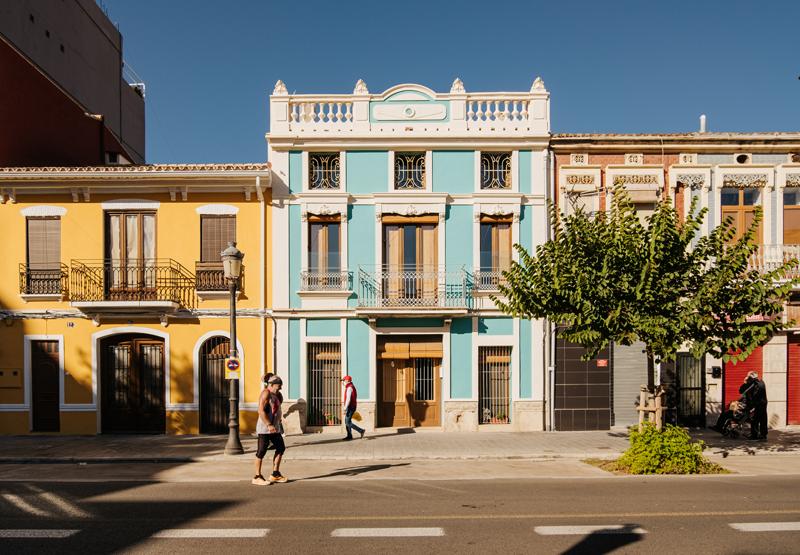
6. El Grau: strong positioning, mixed identity
El Grau sits between Cabanyal and Nazaret and is often overlooked, despite its strategic location.
It benefits from proximity to the marina, the port and the City of Arts and Sciences. These are some of Valencia’s most important urban assets, and they support long-term positioning.
However, the area lacks a clear identity. Some streets benefit from newer developments and proximity to the marina, attracting more international demand. Others remain more local in character, with older buildings and a quieter residential feel.
This creates a mixed market where pricing and demand vary within short distances.
El Grau can offer good value, but only when the micro-location is well understood. It is not a uniform market.
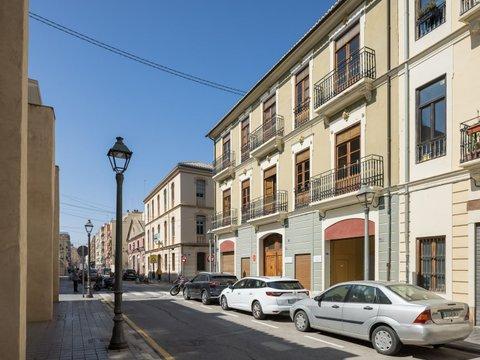
7. Nazaret: infrastructure-driven, but uneven
At the southern end of the coastal strip, Nazaret presents a different type of opportunity. What is driving change here is infrastructure. The extension of Metrovalencia Line 10 has improved connectivity, linking the area more directly to central districts. At the same time, investment in green spaces and the redevelopment of the Turia river mouth is gradually reshaping the surroundings.
However, this transformation is uneven. Some streets already benefit from improved access and proximity to new developments, while others remain closer to their previous positioning.
For buyers, this means that Nazaret requires a longer-term perspective. It offers a lower entry point, but outcomes depend heavily on exact location and timing.
Being in Nazaret is not enough. The specific street determines whether the investment performs.

8. Moreres: modern development in an evolving area
Just next to Nazaret, Moreres represents a different type of opportunity, but one that is closely linked to the same broader transformation.
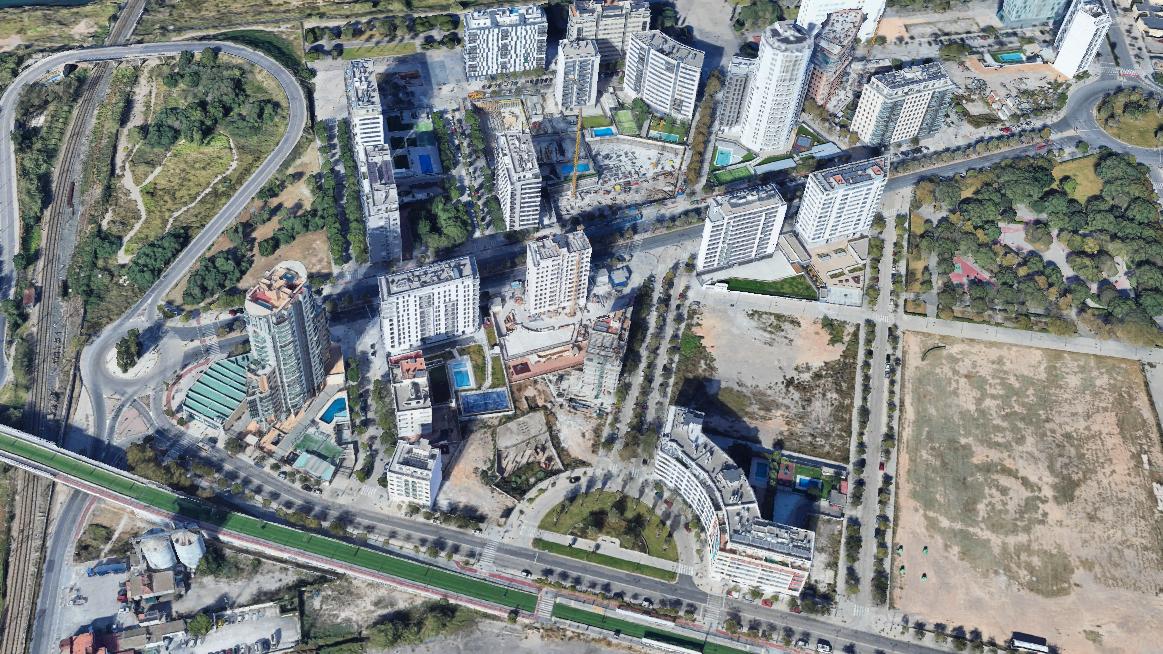
Located between the City of Arts and Sciences and the coastline, Moreres is one of Valencia’s main expansion areas, characterised by modern, large-scale residential developments. The buildings are newer, energy-efficient and designed with contemporary layouts, which makes them easier to assess compared to older parts of the city.
However, what Moreres offers in modernity, it still lacks in consolidation. The area is still developing its day-to-day infrastructure, including shops, services and a stronger neighbourhood identity. This means that, while the product is clear, the surrounding environment is still catching up.
For buyers, this creates a different dynamic to Cabanyal or Nazaret. The risk is not fragmentation, but maturity. You are buying into a planned area that is expected to improve over time, but which does not yet function as a fully established neighbourhood.
As with Nazaret, outcomes in Moreres depend on positioning within the area and proximity to key developments, rather than the district label itself.
9. What first-time buyers usually get wrong
For someone unfamiliar with Valencia, the coastline can appear straightforward. The assumption is that choosing the right neighbourhood is enough. In reality, this approach often leads to mistakes.
Properties that are only a few minutes apart can behave very differently in terms of rental demand, pricing stability and resale potential. These differences are rarely visible in listing data, but they become clear when analysing the market on the ground.
This is why relying only on neighbourhood-level research often results in overpaying or overlooking better opportunities nearby.
10. Conclusion
Valencia’s coastline is no longer a single market. It is a sequence of micro-markets that change from one area to the next, and often from one street to another.
Patacona offers clarity and ease of entry, but at a premium level. Malvarrosa provides stability, with variation depending on position. Cabanyal offers selective opportunities within a more complex and regulated environment. El Grau sits in between, with strong location but mixed identity. Nazaret continues to evolve through infrastructure, although unevenly, while nearby Moreres reflects a more planned form of growth, offering modern housing but still developing as a fully established neighbourhood.
For a first-time buyer, the key is not choosing the “best area”, but understanding how each part of the coastline actually behaves. The neighbourhood brings you to the area. The street determines the outcome.
If you are considering buying near the beach and want a clear, experience-based view of where value actually sits, we can help.
Looking for more than just a house? Whether you're relocating for work or seeking a Mediterranean base, book a consultation with Homely to discover a straightforward way to find your ideal home.
FAQ: Buying property on Valencia’s coastline
Q: Why are prices so different between areas that are so close to each other?
A: Proximity to the beach is only one factor. Building quality, street condition, tenant demand and local infrastructure all influence pricing. In Valencia, two streets a few minutes apart can behave like different markets.
Q: Is El Cabanyal still a good investment?
A: It can be, but it is no longer a simple opportunity. The area has matured, and pricing reflects much of its transformation. The key is selecting the right street and understanding renovation constraints, rather than assuming the whole neighbourhood offers the same potential.
Q: Why is Patacona so much more expensive?
A: Patacona offers newer buildings, better layouts and more predictable living conditions. This appeals strongly to international buyers. You are paying for clarity and comfort, not future upside.
Q: Is Nazaret safe for living or better for investment?
A: Nazaret is improving, particularly with infrastructure such as Metrovalencia Line 10. However, it remains uneven. It tends to suit buyers with a longer-term perspective, rather than those looking for immediate lifestyle consistency.
Q: What should I prioritise when buying near the coast?
A: Beyond the area itself, focus on the building, the street and the surrounding environment. Noise levels, building condition and nearby developments all matter. Micro-location is often more important than the neighbourhood name.
Q: Are short-term rentals still viable in coastal areas?
A: Regulations have tightened significantly, and in many coastal zones, new licences are difficult to obtain. Most buyers now focus on mid-term or long-term rentals, which offer more stability and fewer regulatory risks.
Q: Which area is best for a first-time buyer?
A: There is no single answer. Patacona offers simplicity but comes at a higher price. Malvarrosa provides stability. Cabanyal offers potential but requires careful selection. The right choice depends on your priorities, budget and risk tolerance.