
Valencia City Districts
Valencia’s property market is changing quickly. Over the last few years, international buyers have started looking beyond the traditional districts of Ruzafa, El Carmen and Pla del Remei. While these neighbourhoods remain highly desirable, many buyers relocating permanently to Valencia are now prioritising something different: modern apartments designed for practical, long-term living.
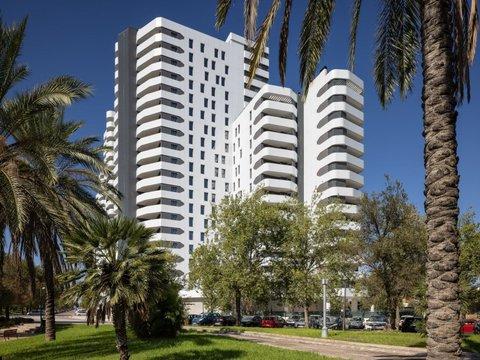
This shift is one of the reasons why Malilla has become one of the city’s most closely watched residential districts. Located in the southern part of Quatre Carreres, the neighbourhood has evolved from a largely overlooked area into a district increasingly associated with new-build developments, wider streets, green public spaces and contemporary apartment living.
At Homely, we are seeing more international buyers adding Malilla to their shortlist after struggling to find larger modern apartments in central Valencia within realistic budgets. For many families and remote professionals, priorities have changed. Access to lifts, terraces, parking, energy-efficient buildings and functional layouts often matters more than living in a historic building with renovation challenges and limited outdoor space. Malilla reflects that wider change happening across Valencia’s housing market.
1. Why buyers are rethinking where to live in Valencia
For many years, international demand in Valencia focused heavily on character-driven neighbourhoods. Buyers were attracted to historic facades, traditional architecture and central locations close to restaurants, cafés and nightlife. However, relocating permanently to Valencia creates a different set of priorities from buying a second home used only a few weeks each year.
Many international buyers moving from Northern Europe, the Netherlands, Germany or North America are now searching for homes that support everyday comfort and functionality. They want apartments with good insulation, reliable air conditioning, outdoor space, underground parking and practical layouts suitable for remote work or family life.
In older central districts, these features can be difficult to combine within a realistic budget. Buyers often encounter ageing buildings without lifts, expensive renovation requirements and limited storage space. Even well-renovated apartments can still present structural compromises linked to older construction standards.
At the same time, Valencia’s broader property market continues facing supply pressure. Housing availability has declined significantly while demand remains strong, particularly for larger apartments suited to long-term residence. This imbalance has pushed many buyers to explore districts where newer housing stock is still available.
Malilla increasingly stands out because it answers many of these practical concerns. The district offers larger modern apartments, communal amenities and newer construction standards, often at prices below the city’s most established prime areas.
2. How Malilla has changed over the last decade
Malilla was not traditionally viewed as one of Valencia’s most desirable residential areas. For many years, it was considered mainly a peripheral neighbourhood outside the city’s most sought-after zones. Over the last decade, however, the district has undergone substantial transformation.
Large-scale residential construction has reshaped the area, bringing modern apartment complexes, landscaped public spaces and upgraded infrastructure. This transformation accelerated alongside the wider development of southern Valencia and the expansion surrounding La Fe Hospital.
The district now forms part of a much broader urban shift happening across Quatre Carreres and the southern side of the city. Continued investment connected to Parque Central, improved transport infrastructure and new residential projects has gradually changed how both local and international buyers perceive the area.
Unlike many older neighbourhoods in Valencia, Malilla developed around a more contemporary urban layout. Streets are wider, buildings are newer and residential projects tend to include features designed around modern lifestyles rather than historic preservation.
This difference becomes immediately noticeable during property visits. Buyers often comment on the amount of natural light, the quality of communal spaces and the practicality of apartment layouts compared to older districts closer to the historic centre.
For families and professionals planning long-term residence in Valencia, these details are becoming increasingly important.
3. The projects reshaping southern Valencia
Part of Malilla’s growing appeal comes from the wider transformation currently taking place across southern Valencia. The district benefits not only from its own residential growth, but also from several urban projects changing the surrounding area.
One of the most important developments is the continued expansion of Parque Central, which is gradually improving connections between neighbourhoods while adding substantial green space to the city. As the project progresses, southern districts such as Malilla are becoming better integrated with central Valencia.
The area is also benefiting from improvements in pedestrian infrastructure, cycling routes and access towards Joaquín Sorolla high-speed train station. For many international residents and remote professionals, proximity to the AVE station has become increasingly valuable, particularly for regular travel between Valencia and Madrid.
At the same time, investment in public services is reinforcing Malilla’s position as a long-term residential district rather than a purely speculative development zone. The planned CEIP 106 public school project and ongoing healthcare expansion linked to the new Malilla ambulatorio and surrounding medical infrastructure reflect how the area is adapting to sustained population growth.
These projects are particularly relevant for international buyers relocating permanently to Valencia. For many families, access to schools, healthcare facilities and practical daily infrastructure matters far more than nightlife or tourism appeal.
One important detail buyers should also understand is that the supply of privately available modern apartments in Malilla remains relatively limited.
While the district has seen substantial residential construction over recent years, a significant proportion of development has been linked to VPO housing projects and subsidised residential schemes aimed primarily at local residents. These properties are often subject to purchase conditions, income limits or residency requirements that make them inaccessible to many international buyers.
As a result, the amount of modern private stock available on the open market is smaller than many buyers initially expect.
This shortage matters because demand for newer apartments in Valencia continues to rise. Many international buyers relocating permanently to the city are specifically searching for properties with terraces, parking, lifts, energy-efficient construction and communal amenities, features that remain difficult to find in older central neighbourhoods.
Malilla sits directly within this gap in the market. The district offers some of Valencia’s most modern residential housing, but supply remains constrained, particularly for larger family apartments in well-located buildings.
That imbalance between supply and demand is one of the reasons prices across newer developments in Quatre Carreres and southern Valencia have continued increasing steadily over recent years.
4. Why modern buyers are drawn to Malilla
The strongest advantage Malilla offers is practicality. Buyers looking for modern apartment living in Valencia often discover that central neighbourhoods involve compromises between character and comfort. A beautiful historic apartment may lack parking, proper insulation or outdoor space. Renovation timelines can also become significantly longer and more expensive than expected.
In Malilla, buyers are more likely to find larger apartments with terraces, underground parking, lifts and communal amenities already integrated into the building. For many families, this reduces both stress and uncertainty during the buying process.
Another important factor is value per square metre. Compared to prime central Valencia, buyers can often secure more interior space, newer finishes and lower maintenance risk within the same overall budget.
This has made the district increasingly attractive for remote workers, families relocating from larger European cities and buyers planning permanent residence rather than short-term tourism use.
The atmosphere also feels more residential and stable than some central areas heavily influenced by tourism. Demand in Malilla is driven primarily by people who live and work in the city full-time, which generally creates a more balanced long-term environment.
For buyers prioritising daily comfort over postcard aesthetics, this can become a major advantage.
5. The realities buyers should also consider
At Homely, we always encourage buyers to look realistically at both strengths and limitations before choosing a neighbourhood.
Malilla is not the right fit for everyone. Buyers searching for historic Valencia atmosphere, traditional architecture and older streets filled with independent cafés may feel more connected to areas such as El Carmen or parts of Ruzafa.
The district also still contains areas under active development. Construction remains visible in certain parts of southern Valencia, and while this reflects ongoing investment, some buyers may find the environment less visually established than older neighbourhoods.
Metro access is another point worth considering. While road connections and bus infrastructure are strong, buyers who rely heavily on Valencia’s metro system may prefer districts with more direct underground access.
From an investment perspective, it is also important to remain realistic. Malilla has already experienced significant growth over recent years. While the district continues benefiting from Valencia’s broader market expansion, buyers should view it primarily as a solid long-term residential market rather than a speculative short-term opportunity.
In many cases, that long-term stability is exactly what attracts buyers to the area.
6. Is Malilla a good long-term investment?
For many buyers, the answer is yes. Malilla aligns closely with several structural trends shaping Valencia’s property market, including limited supply of modern housing, growing international demand and rising interest in larger family-oriented apartments.
The district particularly appeals to buyers looking for long-term residence, lower-maintenance ownership and practical infrastructure rather than purely lifestyle-driven purchases.
Because much of the housing stock is newer, buyers also face fewer immediate renovation concerns compared to older central districts. This can reduce uncertainty around maintenance costs, energy upgrades and community issues.
Importantly, Malilla’s appeal is not based solely on tourism or short-term rental demand. Its growth is tied more closely to Valencia’s wider urban expansion and changing residential preferences. This generally creates a healthier and more sustainable long-term market dynamic.
As Valencia continues investing in southern districts and infrastructure projects, Malilla is likely to remain one of the city’s most important areas for buyers seeking modern apartment living.
7. FAQ What to know before buying in Malilla
Is Malilla a good area for families in Valencia?
Yes. Many families are attracted to Malilla because of its larger apartments, green spaces, schools and practical infrastructure. The district generally feels quieter and more residential than heavily touristic central areas.
Are apartments in Malilla cheaper than in Ruzafa?
In many cases, yes. Buyers can often find larger and newer apartments in Malilla for lower prices than comparable homes in Ruzafa or Pla del Remei.
Is Malilla well connected to Valencia city centre?
Malilla has strong road and bus connections and benefits from proximity to Joaquín Sorolla station. Metro access is more limited than in some northern districts, although infrastructure improvements continue across the area.
What type of properties are common in Malilla?
The district is primarily known for modern apartment developments that often include terraces, parking spaces, communal pools and energy-efficient construction standards.
Is Malilla a good investment area in Valencia?
For buyers focused on long-term rentals and stable residential demand, Malilla can be a strong option. The district benefits from ongoing urban development and increasing demand for modern housing.
8. Conclusion
Malilla reflects a broader shift happening across Valencia’s property market. Buyers are becoming more focused on space, functionality, energy efficiency and long-term liveability, rather than historic charm alone.
That shift has positioned the district as one of Valencia’s most important modern residential growth areas.
Malilla may not offer the postcard atmosphere of Valencia’s historic centre, but for many international buyers, especially families and professionals relocating permanently, it solves practical problems that older districts often cannot.
The district’s combination of modern housing, improving infrastructure and limited private housing supply creates a market dynamic that is becoming increasingly difficult to ignore.
As Valencia continues expanding southwards through infrastructure investment and residential development, Malilla is likely to remain one of the city’s most closely watched districts for modern apartment living.
If you are considering buying property in Valencia and want honest guidance about which neighbourhood truly fits your lifestyle and budget, our team at Homely is here to help. We work closely with international buyers searching for practical, long-term property solutions across Valencia’s evolving residential market.